Teaching AI Social Norms Improves Human-AI Teamwork
Summarized by AI from reporting by ArXiv cs.AI, published under our editorial policy.
New research shows that teaching AI models social norms makes them better teammates. This could lead to smoother, more natural interactions between humans and AI in daily life.
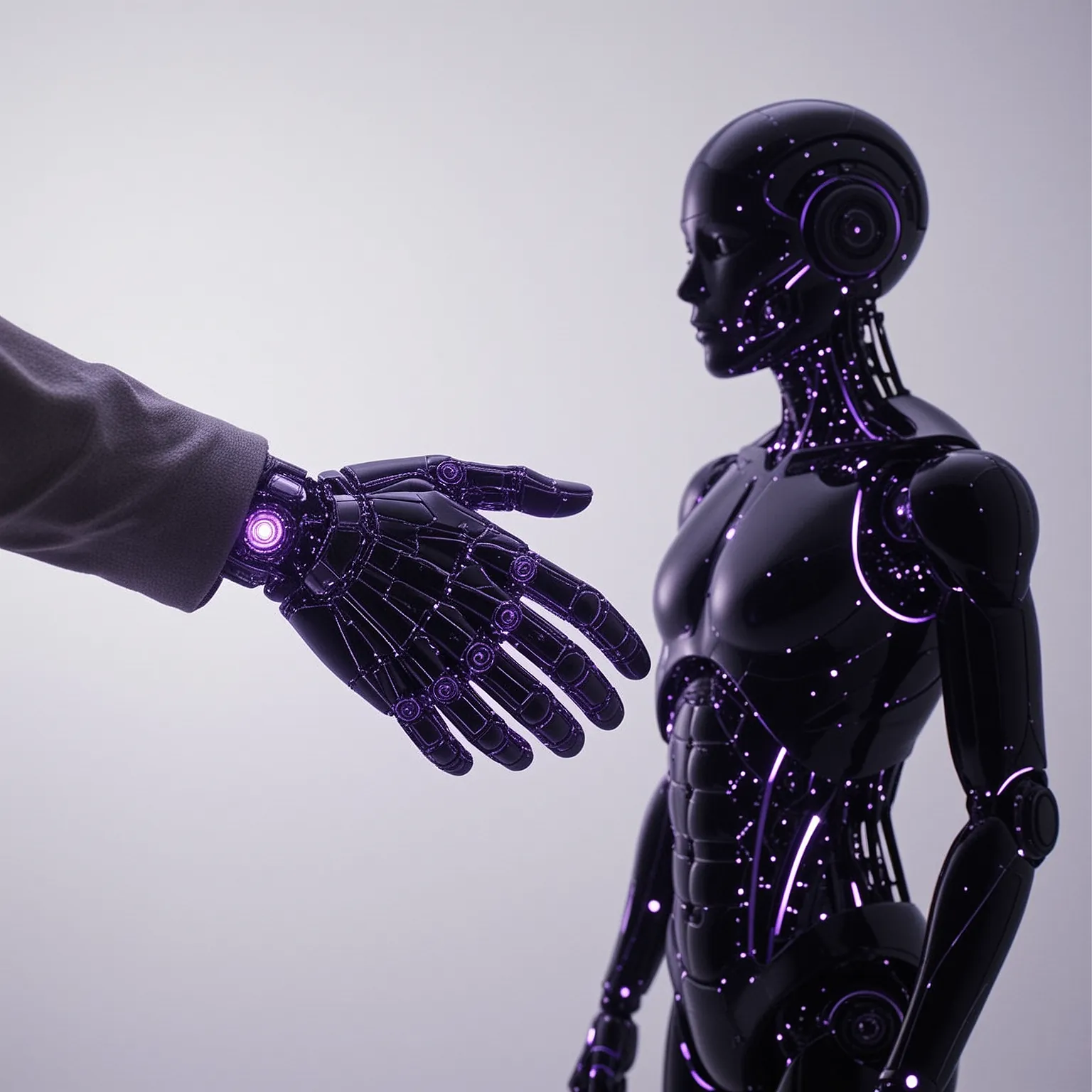
A new study published on arXiv explores how AI agents, including large language models (LLMs), can learn implicit social norms to improve coordination with humans. The researchers argue that humans continuously coordinate in dynamic interactions through unspoken, hard-to-quantify social norms—shared tacit expectations that guide behavior. As AI becomes more embedded in daily life, it often fails to coordinate in an effective, considerate, and natural manner. The study hypothesizes that this gap exists because current approaches do not align model behavior with these social norms.
This matters because AI is increasingly integrated into everything from customer service to personal assistants. When AI understands and follows social norms, it feels more natural and considerate. Imagine an AI assistant that not only answers your questions but also knows when to wait for you to finish speaking or when to offer help without being asked. This makes interactions more pleasant and efficient.
If you're curious about how this works, try interacting with the latest version of an AI assistant like Microsoft Copilot or Google Assistant. Pay attention to how it responds to your tone and context. You might notice it's becoming more attuned to social cues, making conversations feel more human-like.