Meta tests robots to handle routine data center tasks alongside human technicians
Summarized by AI from reporting by Ars Technica AI, published under our editorial policy.
Meta is testing robots to perform routine maintenance and inspection tasks in its data centers, aiming to improve efficiency and reduce human workload. The robots work alongside technicians, not replace them, and are still in early trials.
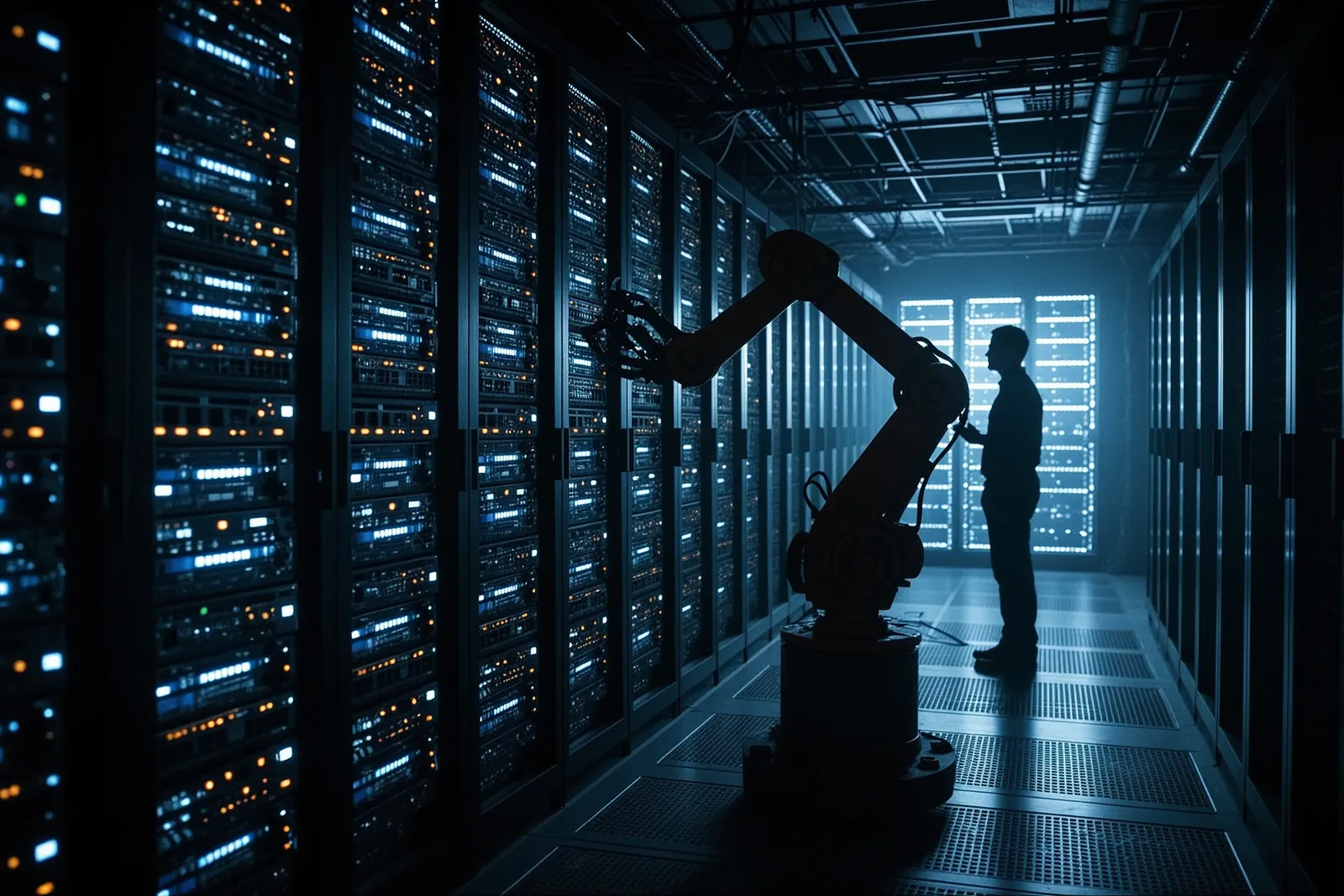
Key takeaways
- Meta is testing robots to handle routine data center tasks such as cable management, equipment inspection, and basic repairs.
- The robots are equipped with advanced sensors and AI systems to navigate data center environments autonomously.
- Meta's robots are designed to work alongside human technicians, handling repetitive tasks while humans focus on more complex issues.
- Meta is still in the early stages of testing and has not yet deployed the robots on a large scale.
Meta is testing robots to perform tasks typically handled by human technicians in its data centers. The company is exploring how robots can take over routine maintenance and monitoring tasks, potentially reducing the need for human intervention. This initiative is part of Meta's broader push to integrate automation into its operations, aiming to improve efficiency and reliability.
What the robots are doing
Meta's robots are being trained to perform a variety of tasks, including cable management, equipment inspection, and basic repairs. These robots are equipped with advanced sensors and AI systems that allow them to navigate data center environments autonomously. The goal is to have these robots handle repetitive and sometimes dangerous tasks, freeing up human technicians to focus on more complex issues.
How the robots compare to human technicians
The robots Meta is testing are designed to work alongside human technicians rather than completely replace them. While they excel at tasks that require precision and consistency, such as inspecting thousands of servers for potential issues, they lack the problem-solving skills and adaptability of human workers. Meta is still in the early stages of this experiment, and the robots are not yet deployed on a large scale. The company is carefully monitoring their performance to ensure they meet the necessary standards before wider adoption.
Why this matters for data center operations
The integration of robots into data center operations could have significant implications for the tech industry. By automating routine tasks, Meta aims to reduce the risk of human error and improve the overall efficiency of its data centers. This could lead to faster response times to issues and potentially lower operational costs. For workers, this shift could mean a change in job roles, with a greater focus on overseeing and maintaining the robots rather than performing manual tasks.
Frequently asked
- Will these robots completely replace human technicians?
- No, the robots are designed to work alongside human technicians, handling repetitive tasks while humans focus on more complex issues.
- How advanced are the robots Meta is testing?
- The robots are equipped with advanced sensors and AI systems that allow them to navigate data center environments autonomously and perform tasks like cable management and equipment inspection.
- Is Meta planning to deploy these robots widely?
- Meta is still in the early stages of testing and is carefully monitoring the robots' performance before considering wider adoption.