Google DeepMind and Filmmakers Use AI to Recreate a 70-Year Love Story Frame by Frame in 'Love, Rendered'
Summarized by AI from reporting by Google AI Blog, published under our editorial policy.
Google DeepMind and filmmakers used generative AI to recreate a couple's unrecorded past in the short film 'Love, Rendered,' demonstrating how AI can bring historical memories to life through visual storytelling.
Key takeaways
- Google DeepMind collaborated with filmmakers to create 'Love, Rendered,' a short film that uses AI to recreate a couple's unrecorded past.
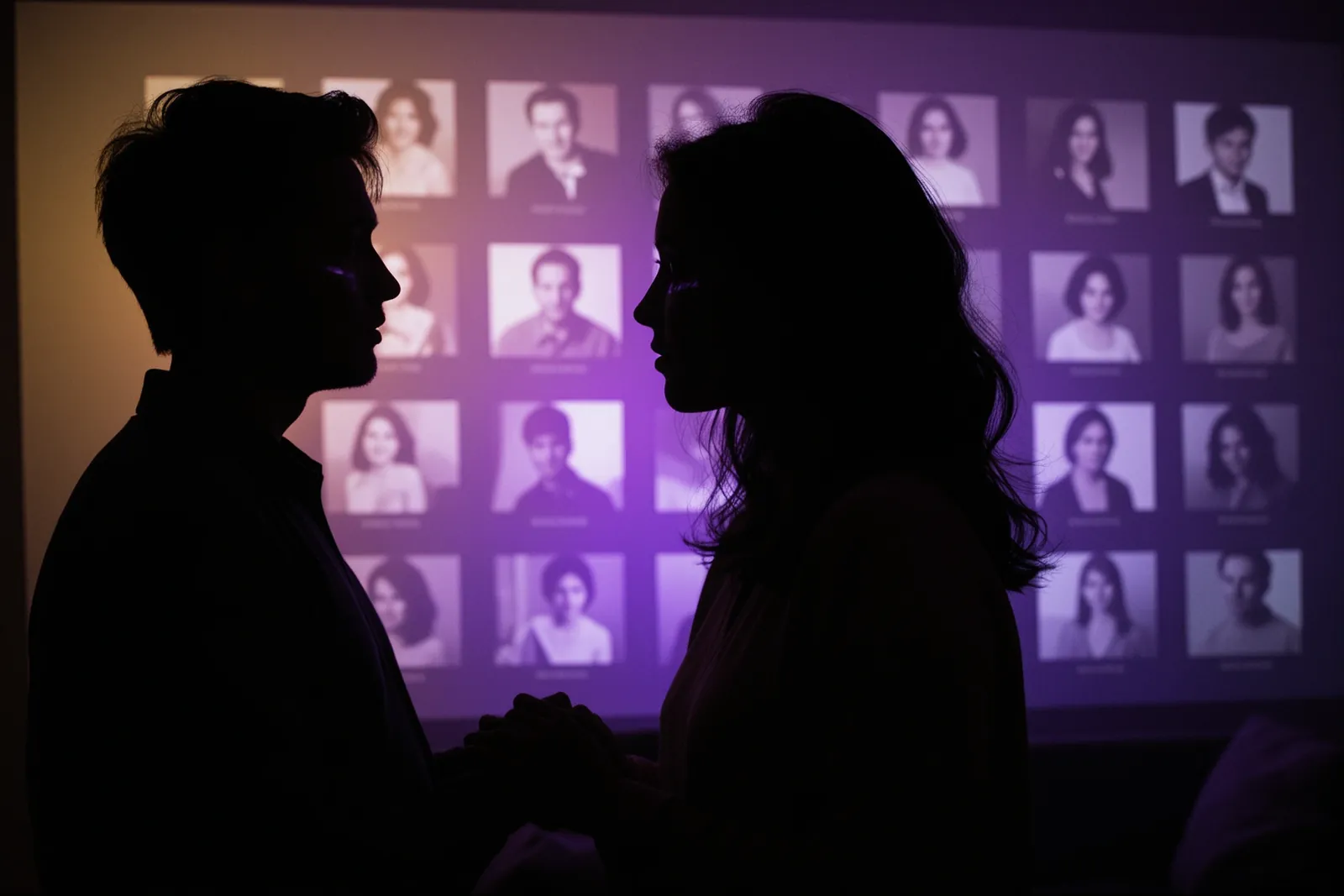
- The film utilized generative AI models trained on historical photographs, personal letters, and interviews to generate realistic and emotionally resonant scenes.
- AI-driven storytelling has the potential to preserve and recreate personal histories, making them more accessible and engaging.
Google DeepMind and a team of filmmakers collaborated to create 'Love, Rendered,' a short film that uses AI to recreate a couple's unrecorded past. The film is a poignant exploration of how AI can bring historical memories to life through visual storytelling.
How AI Recreated Unrecorded Moments from a Couple's Life
Google DeepMind and the filmmakers used AI to generate frames that depict scenes from the couple's life that were never actually recorded. The team relied on a combination of generative AI models and traditional filmmaking techniques to create a cohesive narrative. The AI models were trained on a variety of data sources, including photographs, letters, and oral histories, to ensure the scenes were as accurate and emotionally resonant as possible.
The Generative AI Models and Training Data Behind the Film
The project utilized advanced generative AI models, specifically designed to create realistic and emotionally compelling visuals. These models were trained on a dataset that included historical photographs, personal letters, and interviews with the couple. The AI was able to generate frames that depicted scenes from their life, such as their first meeting, their wedding, and other significant moments. The filmmakers then edited these frames into a cohesive narrative, adding music and voiceovers to enhance the emotional impact.
Why AI-Powered Memory Recreation Matters for Personal Histories
'Love, Rendered' showcases the potential of AI to preserve and recreate personal histories. For many people, especially those who have lost loved ones, this technology offers a way to relive and share memories that might otherwise be forgotten. It also highlights the emotional power of AI-driven storytelling, which can make historical events and personal stories more accessible and engaging.
How to Explore AI Storytelling Tools Today
While the technology used in 'Love, Rendered' is not yet available to the general public, you can explore similar AI-driven storytelling tools. For example, you can use platforms like DeepDreamGenerator or Artbreeder to create personalized art and visuals based on your own memories and photographs. These tools, while not as advanced as the ones used in the film, offer a glimpse into the future of AI-driven storytelling.
Frequently asked
- Is the technology used in 'Love, Rendered' available to the public?
- No, the specific technology used in 'Love, Rendered' is not yet available to the general public. However, similar AI-driven storytelling tools like DeepDreamGenerator and Artbreeder are accessible.
- How were the AI models trained for this project?
- The AI models were trained on a dataset that included historical photographs, personal letters, and interviews with the couple to ensure the scenes were accurate and emotionally resonant.