New Mexico lawyer fined $5,000 for submitting AI-hallucinated witnesses in murder appeal
Summarized by AI from reporting by The Verge AI, published under our editorial policy.
The New Mexico Supreme Court fined attorney Stephen Aarons $5,000 and held him in contempt for including AI-fabricated witnesses and fake police testimony in a murder case appeal, underscoring the legal risks of using AI without verification.
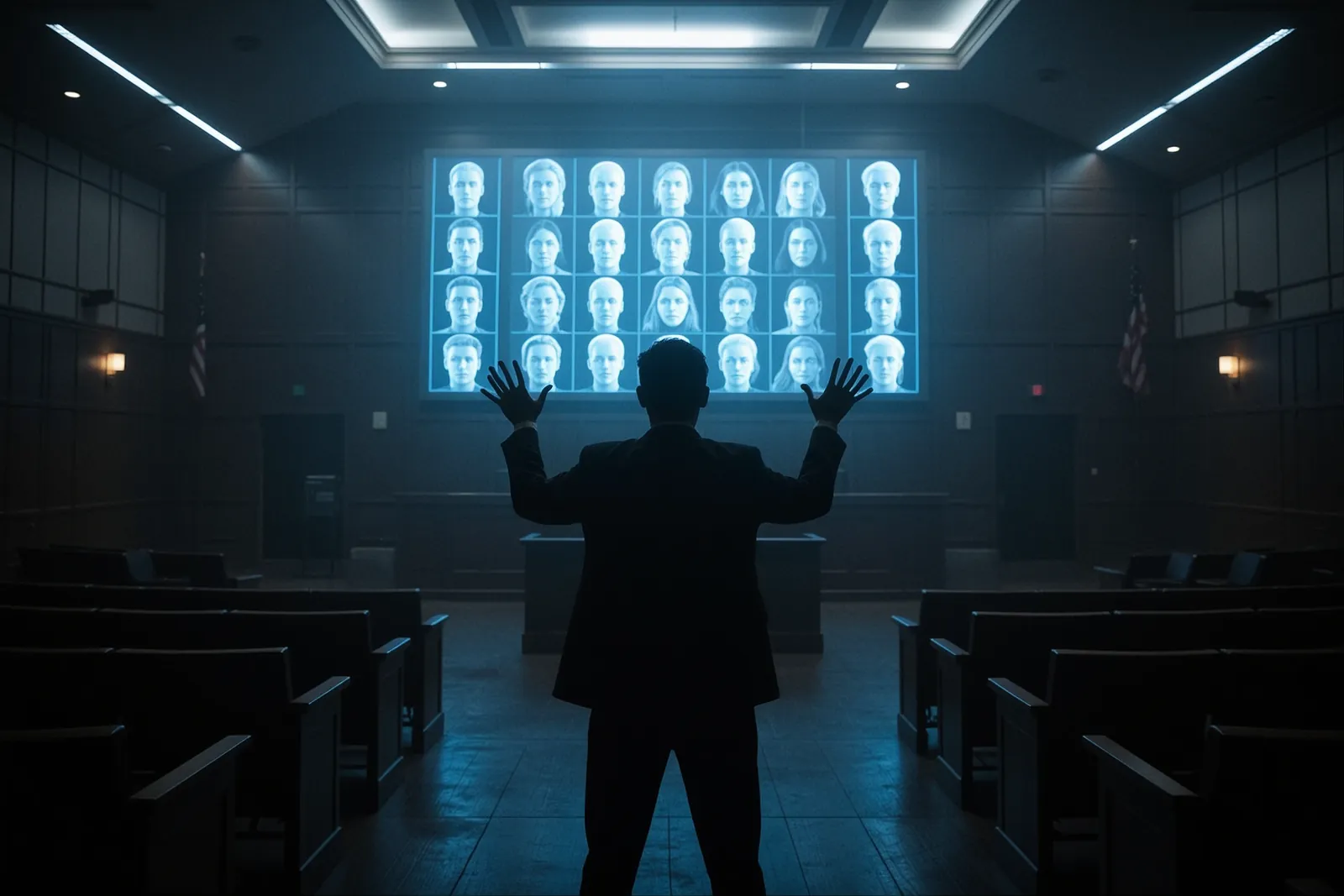
Key takeaways
- The New Mexico Supreme Court fined attorney Stephen Aarons $5,000 and held him in contempt for submitting AI-hallucinated witnesses and fabricated police testimony in a murder case appeal.
- The court found that Aarons failed to verify the factual claims and legal arguments in his filing, which is a requirement for all legal submissions.
- This case marks one of the first instances of a lawyer being penalized for using AI-generated content in a criminal appeal.
New Mexico's Supreme Court fined lawyer Stephen Aarons $5,000 and held him in contempt for submitting AI-generated fake witnesses and fabricated police testimony in a murder case appeal. The court found that Aarons failed to verify the factual claims and legal arguments presented in the filing, which included testimony from non-existent witnesses and fabricated evidence.
AI-Hallucinated Witnesses in a Murder Appeal
Lawyer Stephen Aarons submitted an appeal for his client's murder conviction, which included AI-generated testimony from non-existent witnesses and fake police reports. The New Mexico Supreme Court found that Aarons did not verify the factual claims and legal arguments presented in the filing, leading to a $5,000 fine and a contempt ruling.
Court Filing Details and Penalties
The court's filing on Wednesday detailed that Aarons included AI-generated testimony and fabricated evidence in the appeal. The court specifically noted that Aarons failed to verify the factual claims and legal arguments, which is a requirement for all legal filings. The fine and contempt ruling are intended to penalize Aarons for his failure to adhere to legal standards and to deter similar conduct in the future.
Risks of Using AI in Legal Proceedings
This case highlights the potential risks and ethical considerations of using AI in legal proceedings. Lawyers and legal professionals must ensure that all evidence and testimony presented in court are verified and accurate. The use of AI-generated content in legal filings can lead to serious consequences, including fines and contempt rulings, as seen in this case. This incident serves as a warning to the legal community about the importance of verifying all information presented in court.
Best Practices for Legal Professionals Using AI
If you are involved in a legal case, it is crucial to ensure that all evidence and testimony presented are verified and accurate. Always double-check the sources of any information used in legal filings and consult with legal professionals to ensure compliance with legal standards. If you are using AI tools in your legal practice, be sure to verify all generated content before submitting it in court.
For more information on the ethical use of AI in legal proceedings, you can consult resources from the American Bar Association or other legal professional organizations.
Frequently asked
- What specific AI tool did the lawyer use to generate the fake witnesses?
- The source story does not specify which AI tool Stephen Aarons used to generate the fabricated content.
- Can a lawyer be disbarred for submitting AI-generated false evidence?
- The source story does not address whether Aarons faces disbarment proceedings; it only reports the $5,000 fine and contempt ruling.
- What should lawyers do to avoid similar AI-related penalties?
- Lawyers should independently verify all factual claims and legal arguments in filings, regardless of whether they were generated by AI or other sources, as required by court rules.