AI Models Are Ignoring Creative Commons Licenses, Harming Artists
Summarized by AI from reporting by Hacker News AI, published under our editorial policy.
Chester Wisniewski argues that AI models trained on Creative Commons-licensed works often ignore licensing terms like attribution and non-commercial use, undermining the open-sharing spirit of the Commons and harming artists.
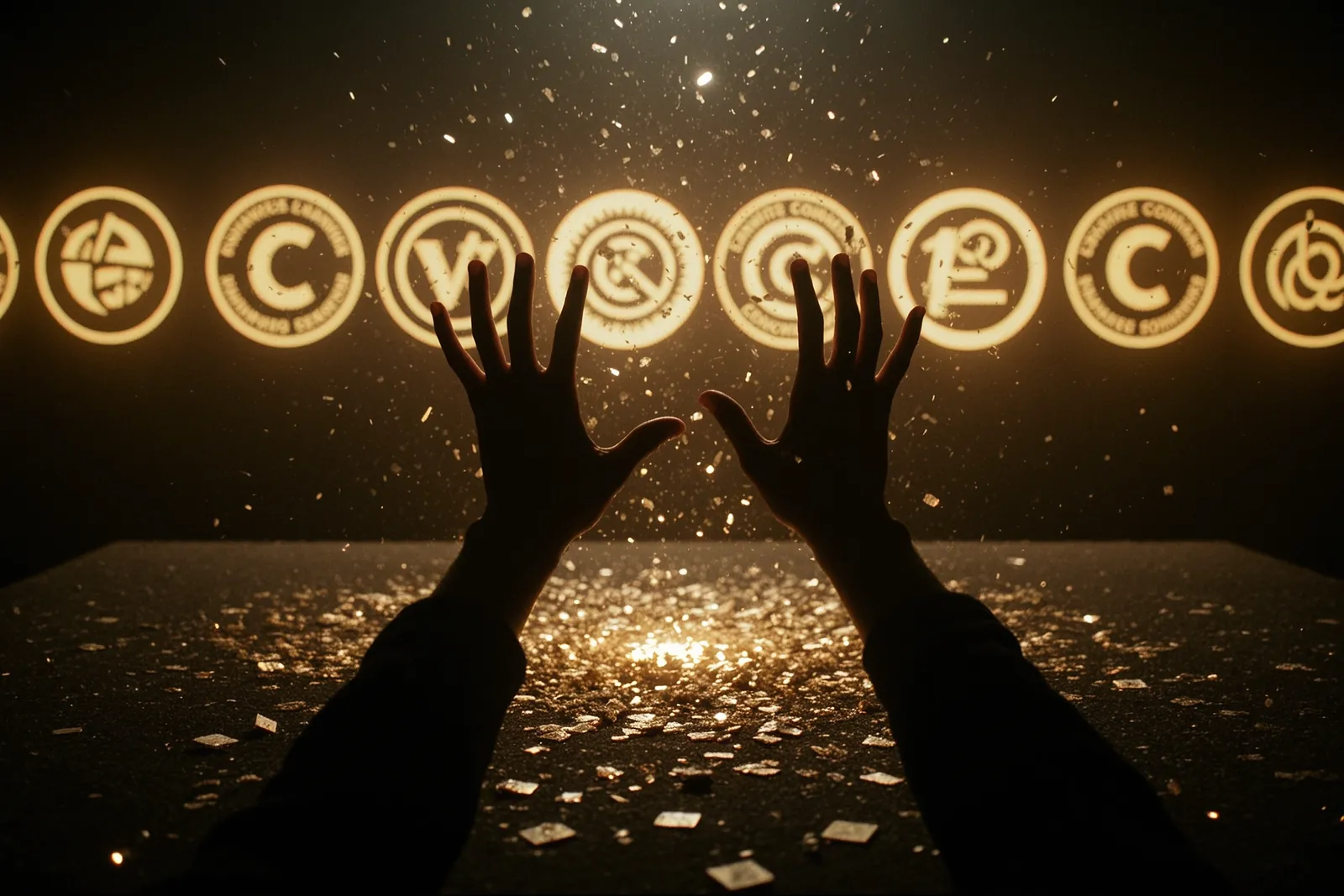
Key takeaways
- Chester Wisniewski argues that AI models trained on Creative Commons works often ignore licensing terms like attribution and non-commercial use.
- This practice undermines the trust and collaboration that the Creative Commons was designed to foster.
- The erosion of the Creative Commons can lead to a decrease in the willingness of creators to share their work openly.
- Creators can protect their work by using more restrictive licenses or watermarking their content.
Chester Wisniewski published an article arguing that AI is destroying the Creative Commons. He explains that while AI models are trained on vast amounts of data, including works under Creative Commons licenses, they often ignore the licensing terms. This practice harms artists and creators who share their work under these licenses, undermining the open-sharing spirit of the Commons.
## How AI Models Violate Creative Commons License Terms AI models are trained on massive datasets, often including works under Creative Commons licenses. However, these models frequently ignore the specific terms of these licenses. For instance, a model might use a work without providing proper attribution or for commercial purposes, even if the license prohibits such use. This practice undermines the trust and collaboration that the Creative Commons was designed to foster.
## The Impact on Artists and Creators The erosion of the Creative Commons has significant consequences for artists and creators. Many rely on these licenses to share their work while maintaining some control over its use. When AI models ignore these terms, creators lose the ability to enforce their rights and protect their work. This can lead to a decrease in the willingness of creators to share their work openly, ultimately harming the broader community that benefits from these shared resources.
## Steps Creators Can Take to Protect Their Work If you are a creator, be aware of how your work might be used by AI models. Consider using more restrictive licenses or watermarking your work to deter unauthorized use. If you are a consumer of AI-generated content, support creators by attributing their work and respecting their licensing terms. You can also advocate for better regulations and practices in the AI industry to ensure that the Creative Commons remains a viable and respected resource.
Frequently asked
- What is the Creative Commons?
- The Creative Commons is a nonprofit organization that provides free licenses for creators to share their work while retaining certain rights.
- How do AI models ignore licensing terms?
- AI models are trained on massive datasets, often including works under Creative Commons licenses, but they frequently ignore the specific terms of these licenses, such as attribution or non-commercial use restrictions.
- What can creators do to protect their work from AI?
- Creators can use more restrictive licenses or watermark their work to deter unauthorized use by AI models.