White House AI Safety Pledge: Tech Giants Commit to 'Super Intelligence' as Only 2% of Consumers Buy AI
Summarized by AI from reporting by TechCrunch AI, published under our editorial policy.
The White House gathered top tech CEOs to sign a morally binding AI safety pledge, while President Trump signed an executive order rebranding AI as 'super intelligence'. Despite these high-profile moves, consumer adoption remains minimal, with only 2% of consumers actively purchasing AI products.
Key takeaways
- The White House gathered top tech CEOs to sign a morally binding AI safety pledge.
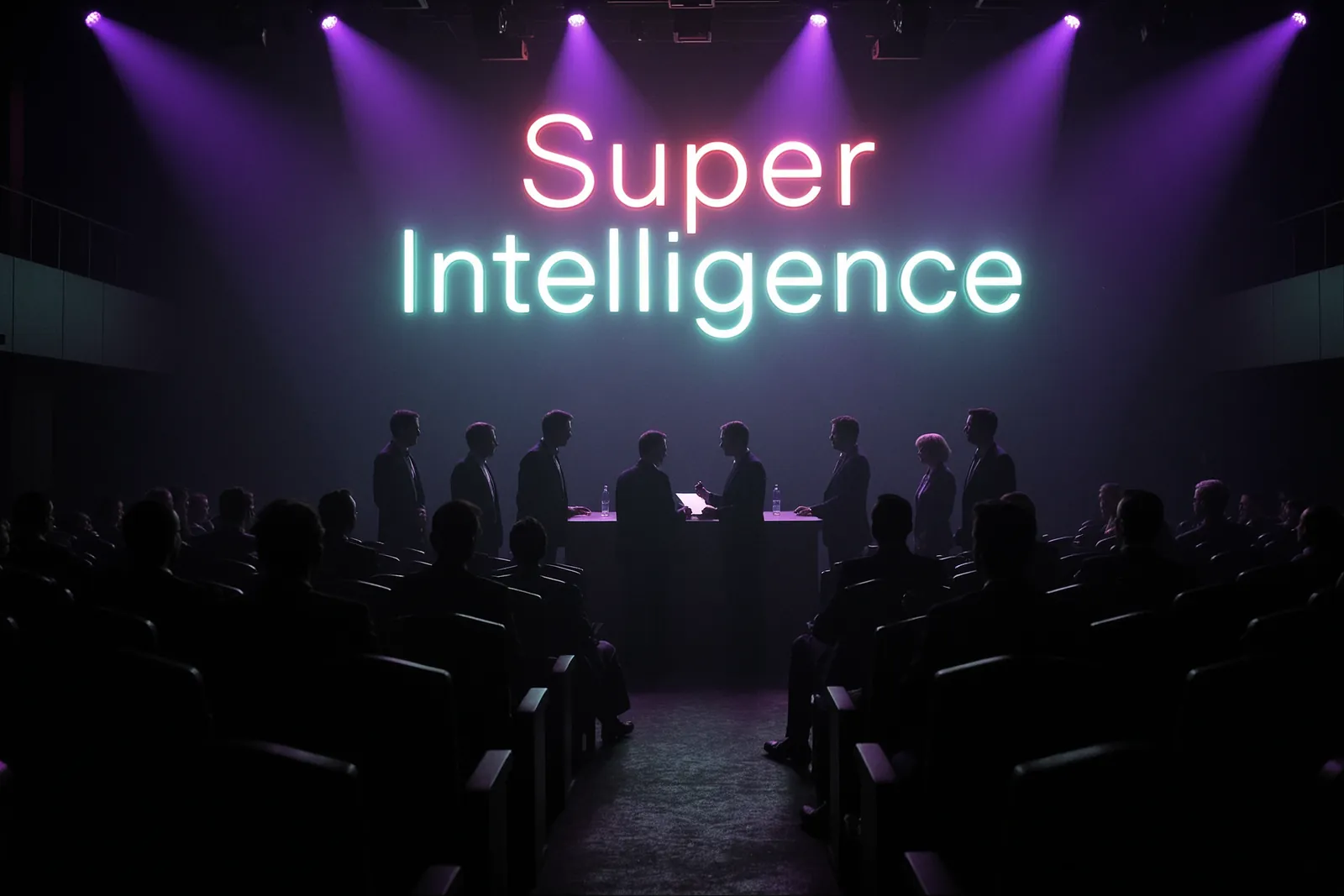
- President Donald Trump signed an executive order rebranding AI as 'super intelligence'.
- Only 2% of consumers are actively purchasing AI-related products.
- The AI safety pledge aims to ensure responsible development and deployment of AI technologies.
The White House hosted a historic meeting with top tech CEOs, including Mark Zuckerberg, Jeff Bezos, Elon Musk, and Anthropic's Dario Amodei, to sign a morally binding AI safety pledge. President Donald Trump also signed an executive order officially rebranding AI as 'super intelligence'. This move comes as consumer interest in AI products remains remarkably low, with only 2% of consumers actively purchasing AI-related offerings.
The White House AI Safety Pledge
The White House gathered nearly every major tech CEO in one room to sign an AI safety pledge. President Donald Trump described the pledge as 'morally binding', emphasizing the importance of safety and ethical considerations in the development and deployment of AI technologies. The pledge aims to ensure that AI is developed and used responsibly, addressing concerns about potential risks and misuse.
Rebranding AI as 'Super Intelligence'
In a significant move, President Trump signed an executive order officially rebranding AI as 'super intelligence'. This rebranding is part of a broader effort to highlight the advanced capabilities and potential impact of AI technologies. The term 'super intelligence' is intended to reflect the growing sophistication and power of AI systems, distinguishing them from traditional artificial intelligence.
Consumer Interest in AI Products Remains at 2%
Despite the high-profile commitments and rebranding efforts, consumer interest in AI products remains remarkably low. According to recent data, only 2% of consumers are actively purchasing AI-related products. This low adoption rate suggests that there is still a significant gap between the hype surrounding AI and its actual acceptance and use by the general public.
Practical Implications for Consumers
For everyday consumers, the rebranding of AI as 'super intelligence' and the AI safety pledge may not immediately translate into tangible benefits. However, these developments signal a growing recognition of the need for responsible AI development. Consumers can expect to see increased emphasis on safety, transparency, and ethical considerations in AI products and services moving forward.
To stay informed about the latest developments in AI, consumers can follow reputable tech news sources and engage with AI-related content on platforms like TechCrunch AI. Additionally, consumers can explore AI-powered tools and services offered by companies like Meta and OpenAI to gain firsthand experience with these technologies.
Frequently asked
- What is the AI safety pledge?
- The AI safety pledge is a commitment signed by top tech CEOs to ensure the responsible development and deployment of AI technologies, described as morally binding by President Donald Trump.
- Why was AI rebranded as 'super intelligence'?
- The rebranding aims to reflect the advanced capabilities and potential impact of AI technologies, distinguishing them from traditional artificial intelligence.
- How can consumers stay informed about AI developments?
- Consumers can follow reputable tech news sources and engage with AI-related content on platforms like TechCrunch AI.