Google’s Space Satellite Writes Poetry with AI Model Gemma 4
Summarized by AI from reporting by TechCrunch AI, published under our editorial policy.
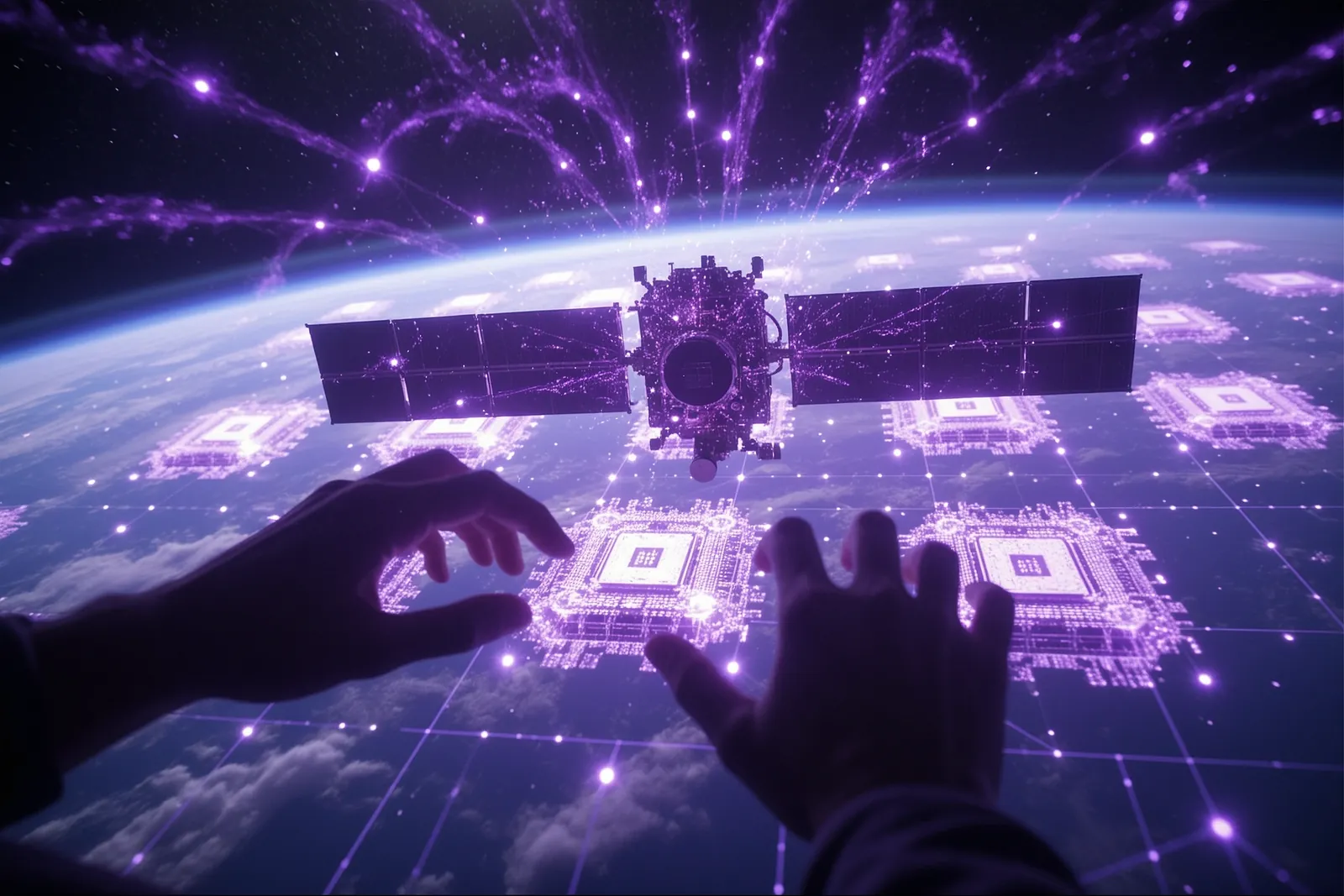
Google’s first satellite data center, Suncatcher, is now operational and running an AI model called Gemma 4. The satellite, powered by Google’s Tensor Processing Units (TPUs), wrote its first poem about being in space. This marks a significant step in exploring space-based AI computing.
Key takeaways
- Google’s Suncatcher satellite, equipped with four TPUs, is now operational and running the Gemma 4 AI model.
- The satellite wrote its first poem, a haiku about being in space, demonstrating the potential of space-based AI computing.
- Due to power constraints, the satellite can only operate one TPU at a time for about 20 minutes.
- Google plans to launch two more satellites equipped with advanced TPUs in 2027, supporting higher power generation and inter-satellite optical links.
- The success of Suncatcher could revolutionize global data networks, improving internet connectivity and real-time data processing.
Google’s Suncatcher satellite, launched earlier this month on a SpaceX Falcon 9 rocket, is now online and running an AI model called Gemma 4. The satellite, equipped with four Google Tensor Processing Units (TPUs), wrote its first poem—a haiku about being in space. This milestone highlights the potential of space-based AI computing and sets the stage for future satellite networks performing complex tasks in orbit.
The Satellite’s First Tasks
The Suncatcher satellite, which generates up to 1 kW of electricity, can only operate one TPU at a time for about 20 minutes due to power constraints. Despite this limitation, the satellite successfully completed its first tasks, including writing a haiku and reporting on orbital conditions. The haiku, prompted by ground engineers, reads:
Blue marble below Data streams in silent grace Starlight feeds my core. ✨
In addition to writing poetry, the satellite also performed more practical tasks, such as monitoring the orbital environment around it. These initial tests are part of a broader campaign to assess the performance of TPUs in the harsh conditions of space, including thermal stress and radiation. Google has extensively tested its TPUs in particle accelerators on Earth, but real-world space conditions present unique challenges. Radiation, for instance, can cause “bit flips” in computer memory, potentially corrupting data without triggering typical monitoring tools. The ongoing test campaign will examine how these chips perform under such stress, providing valuable data for future space-based AI applications.
The Future of Space-Based AI
Google’s Suncatcher project is pioneering the concept of space-based data centers, which could revolutionize how we process and transmit data. By performing inference workloads in orbit, these satellites could reduce latency and improve the efficiency of global data networks. This could have significant implications for industries like telecommunications, climate monitoring, and even entertainment, where real-time data processing is crucial.
The project is also closely linked to SpaceX’s Starship, the heavy-lift rocket that will be essential for launching and maintaining these orbital data centers. Google’s parent company, Alphabet, holds a significant investment stake in SpaceX, highlighting the interconnected nature of these ambitious ventures. In a peer-reviewed analysis published earlier this month, Suncatcher researchers estimated that SpaceX would need to fly Starship 1,800 times to achieve the same learning-driven cost reductions it saw with its earlier vehicles. This underscores the long-term vision of the project, which is focused on designing infrastructure that will be economical in the 2030s.
Why Space-Based AI Matters for Everyone
While the immediate applications of space-based AI might seem far removed from everyday life, the long-term benefits could be substantial. Faster, more efficient data processing could lead to improvements in internet connectivity, weather forecasting, and even global communication networks. For example, imagine real-time translation services that work seamlessly across languages or climate models that can predict natural disasters with greater accuracy. These advancements could make our daily lives more connected and safer.
For now, the focus is on testing and refining the technology. If successful, Google plans to launch two more satellites equipped with advanced TPUs in 2027. These satellites will support higher power generation and demonstrate inter-satellite optical links, paving the way for a network of AI-powered satellites working together in orbit. This could lead to a new era of space-based computing, where data centers in orbit work in tandem to provide global coverage and support a wide range of applications.
What You Can Do Today
While you can’t interact with the Suncatcher satellite directly, you can explore the capabilities of the Gemma 4 model on Google’s platforms. Visit the Google DeepMind website to learn more about the model and its applications. You can also follow updates on Google’s AI initiatives to stay informed about future developments in space-based computing and AI. By staying engaged with these advancements, you can be part of the journey towards a more connected and efficient future.
Frequently asked
- Is the Suncatcher satellite currently operational?
- Yes, the Suncatcher satellite is now online and has completed its first tasks, including writing a haiku and reporting on orbital conditions.
- How long can the satellite operate its TPUs?
- Due to power constraints, the satellite can only operate one TPU at a time for about 20 minutes.
- What is the next step for Google’s space-based AI project?
- Google plans to launch two more satellites equipped with advanced TPUs in 2027, which will support higher power generation and demonstrate inter-satellite optical links.
- How can I learn more about the Gemma 4 model?
- You can visit the Google DeepMind website to learn more about the Gemma 4 model and its applications.