
AI Agent Bottleneck Shifts from Models to Context Management
The biggest challenge in AI agent development is no longer the models themselves but how to manage and use context effectively. This shift is changing how developers approach AI systems.
709 stories curated by AInformed · page 9 of 30
The biggest challenge in AI agent development is no longer the models themselves but how to manage and use context effectively. This shift is changing how developers approach AI systems.

Agent Arena launched a benchmarking platform that evaluates how easily developers can start using AI agent development tools. By testing onboarding simplicity, it helps developers identify tools with the smoothest setup processes, saving time and reducing frustration.

The Trump administration is requiring frontier AI labs like Anthropic and OpenAI to restrict access to their most advanced models, citing national security. Critics warn the policy could slow innovation and limit access for small businesses and researchers.
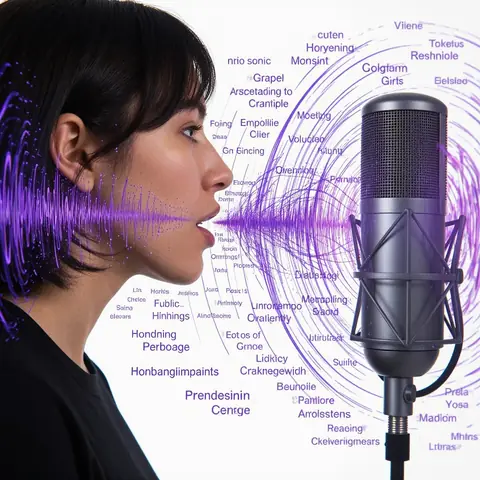
A new AI model can mimic any voice with just a few seconds of audio. This could revolutionize accessibility, entertainment, and communication for everyone. It's like having a personal voice actor in your pocket.

Charles Azam tested Fable 5 and GPT-5.6 on an NP-hard problem and found that both models performed significantly better when given a specific /goal directive. The results suggest that framing tasks with clear objectives can substantially improve AI problem-solving performance.

South Korea is developing its own sovereign cybersecurity AI after US export controls blocked access to the advanced US-built Mythos AI tool. The initiative aims to strengthen national security and reduce reliance on foreign technology.

Spammers are using a decades-old trick called text salting to bypass AI spam filters. By adding random characters or spaces to messages, they confuse detection systems, allowing more spam to reach inboxes. The Register reports this resurgence highlights a growing challenge for email providers.

Developer Hela Saoudi released LLM Inspector, an open-source tool that visualizes how large language models process information in real time. Like 'htop' for AI, it reveals attention patterns, token processing, and internal model workings, making AI less of a black box for developers and curious users alike.

The EU has mandated that Google must share its search data and open up AI features on Android under the Digital Markets Act, aiming to increase competition and give users more choices in the AI market.

X (formerly Twitter) has launched a free AI-powered photo editor that lets users modify any image by typing plain-text descriptions like 'make the sky bluer' or 'add a cat.' The tool is available to all users on the platform and requires no design skills.

A security researcher demonstrated how to corrupt an open-weight AI model for less than $100, exposing critical vulnerabilities in freely available AI systems and underscoring the urgent need for robust safeguards.

OpenAI has released GPT-5, a new AI model that understands context better than ever. This could change how we interact with AI assistants, making them more helpful in everyday tasks.

Mozilla's 2026 State of Open Source AI report reveals rapid growth in open-source AI projects, driven by community collaboration, while highlighting critical challenges around sustainability, ethical use, and funding. The report underscores open-source AI's role in democratizing technology and keeping powerful tools accessible beyond big tech.

A joint report from Nobel Prize-winning economists and top tech executives warns that AI is poised to automate jobs in creative and knowledge sectors, urging proactive policies such as universal basic income and retraining programs to prevent widespread economic disruption.

HERMES AGENT has three feedback loops that help it improve over time. Many users disable or ignore them, which stops the AI from getting smarter. Here's how to fix that.
A new report from PBS NewsHour warns that Google's AI-powered search features pose an 'unacceptable risk' to children, citing exposure to inappropriate content and privacy concerns. Experts call for stronger safeguards and better parental controls.

Australia's Prime Minister has outlined a national AI strategy prioritizing safety, innovation, and economic growth. The plan includes investments in research, ethical guidelines, and partnerships with industry leaders.

Anthropic is lobbying individual U.S. states to pass stricter AI regulations, aiming to create a patchwork of state-level rules that could set national precedents for transparency, accountability, and safety in AI development.

Notion has released its AI-powered workspace templates for free, removing the premium paywall. These templates use AI to suggest layouts, categories, and content, helping anyone organize work and personal projects without starting from scratch.

Many popular paid software tools have free, open-source alternatives available on GitHub. Knowing these options can save you money. Open-source software is developed and maintained by communities, often offering similar features to paid tools.

A new AI tool called Avatarify can generate personalized 3D avatars from a few photos. This could change how we create digital identities for gaming, social media, and virtual meetings.

PlanWright is a new tool that helps manage AI coding agents, making it easier to plan, implement, and review code changes. It logs all decisions and actions, providing full documentation for better collaboration and oversight.

A growing collection of open-source AI apps now run entirely on your device, keeping your data private. These tools work offline, making advanced AI accessible without an internet connection.

Microsoft's CEO has issued a stark warning about the risks of frontier AI labs accessing corporate intellectual property. Companies are being urged to take proactive measures to safeguard their sensitive data.