
Gemini Now Uses Google Photos to Generate Personalized Images
Google's Gemini AI can now pull from Google Photos to create personalized images. This feature leverages the Nano Banana 2 model for tailored visual content based on user data.
953 stories curated by AInformed · page 38 of 40
Google's Gemini AI can now pull from Google Photos to create personalized images. This feature leverages the Nano Banana 2 model for tailored visual content based on user data.

Canva's AI 2.0 update brings advanced prompt-based editing to its design suite, aiming to centralize AI-powered content creation. The update includes new tools and capabilities for users to create and adjust designs through natural language prompts.
Anthropic has released Claude Opus 4.7, its most powerful generally available model yet. The update enhances capabilities in software engineering, image analysis, and instruction following. This launch comes amid growing anticipation for the upcoming Mythos Preview.
Reports suggest Trump officials are encouraging banks to test Anthropic's Mythos model, despite the Department of Defense labeling the company a supply-chain risk. This move highlights the ongoing tension between political and military AI stances.

OpenAI's chief revenue officer, Denise Dresser, sent a four-page memo to employees outlining the company's strategic direction. The memo emphasizes the need to lock in users and grow its enterprise business to combat competition, particularly from Anthropic.
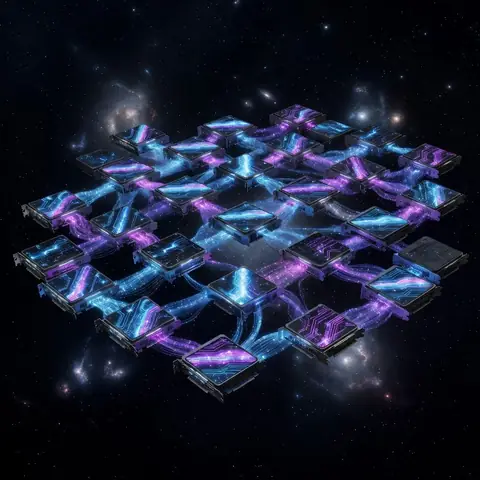
Kepler Communications has launched the largest orbital compute cluster with 40 GPUs, and Sophia Space is its first customer. This marks a significant milestone in space-based AI infrastructure.

Anthropic co-founder Jack Clark confirmed the company briefed the Trump administration on its AI model Mythos, despite ongoing legal action against the U.S. government. The revelation highlights the complex relationship between AI firms and federal regulators.
Adobe introduces Firefly AI Assistant, allowing users to edit creations via natural language prompts. The company calls this a fundamental shift in creative workflows.
Microsoft is testing OpenClaw-style autonomous AI features in Copilot to enable 24/7 task completion. This move aims to enhance productivity by allowing AI to act independently on behalf of users.
A developer alleges to have bypassed Google DeepMind's SynthID watermarking system, raising concerns about the reliability of AI-generated content verification. Google disputes the claims, calling them inaccurate.
The race to dominate AI-powered coding tools is intensifying among tech giants. This competition is reshaping how developers work and could redefine the future of software creation.

The Trivy vulnerability scanner has been compromised in a supply-chain attack, potentially exposing sensitive data. Admins are urged to rotate their secrets immediately.

TechCrunch is bringing its Startup Battlefield to Tokyo for SusHi Tech 2026, spotlighting AI, robotics, and other transformative technologies. The event will feature live demos and discussions on how these innovations are reshaping industries.
A sophisticated malware campaign is infecting open source projects and selectively wiping machines in Iran. Developers are urged to check their networks for signs of infection. This highlights the growing risks in open source ecosystems.
OpenAI CEO Sam Altman has published a blog post responding to a critical New Yorker article and an apparent attack on his home. He defends his leadership and transparency in the face of growing scrutiny.

Microsoft is removing Copilot buttons from Windows 11 apps, starting with Notepad and Snipping Tool. This shift suggests a strategic pivot away from overt AI integration in favor of more subtle features.

Explosive Media, an Iranian content creation group, attributes the success of their AI-generated Lego videos to emotional storytelling. These videos have gone viral, depicting recent geopolitical events differently from mainstream narratives.

Iran-linked hackers have targeted US industrial sites, causing operational disruptions amid escalating US-Israel tensions. This marks a significant escalation in cyber warfare between the nations.

During the early stages of the conflict, Iran's state media effectively countered US propaganda by sharing raw footage of attacks, while the White House relied on generic memes and AI-generated content. This strategy highlighted the limitations of AI-driven messaging in crisis communication.
Federal cybersecurity experts deemed Microsoft's cloud security flawed but approved it anyway. The decision raises concerns about government oversight and vendor influence.
Researchers have uncovered severe security flaws in internet-exposed KVM devices from four major manufacturers. These vulnerabilities could allow attackers to gain BIOS-level access to systems. The findings highlight significant risks for enterprises relying on these devices for remote management.

A 20-year-old man was arrested for allegedly throwing a Molotov cocktail at OpenAI CEO Sam Altman's San Francisco home. The incident was captured on surveillance footage and followed threats outside OpenAI's offices.
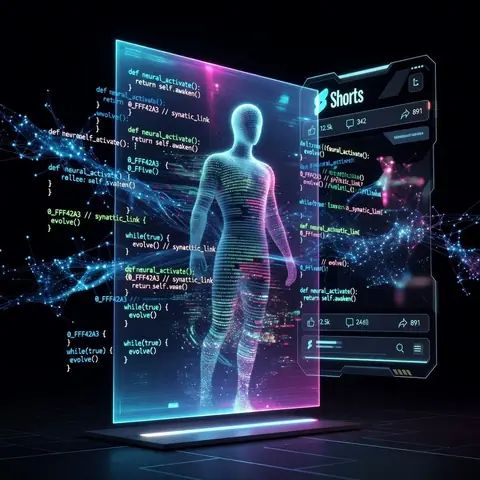
YouTube Shorts is introducing an AI feature that allows creators to clone themselves realistically. This move highlights the platform's complex relationship with AI-generated content, balancing innovation with the challenges of deepfake scams and impersonations.
Tubi has become the first streaming service to integrate a native app within ChatGPT, allowing users to browse and watch content directly through the AI chatbot. This move signals a new era of AI-driven content discovery and consumption.