
Meta Unwinds $2B AI Deal After Chinese Government Demand
Meta is reversing its $2 billion acquisition of AI startup Manus after Beijing ordered the deal undone. This highlights the growing tensions between global tech and Chinese regulations.
38 stories tagged China · page 2 of 2
Meta is reversing its $2 billion acquisition of AI startup Manus after Beijing ordered the deal undone. This highlights the growing tensions between global tech and Chinese regulations.
China is preparing a $295 billion plan to fund a nationwide AI infrastructure buildout, aiming to accelerate AI adoption across industries and regions.
Nvidia's CEO admitted the company has largely lost the AI chip market in China to Huawei. This shift could impact global AI development and supply chains. Huawei's Ascend series is now the go-to choice for Chinese AI developers, while Nvidia focuses on other markets.

China is increasingly keeping its best AI talent at home, reflecting a global trend where countries are prioritizing domestic AI development. This shift could reshape the global AI landscape and impact international collaboration.

China has expanded travel restrictions to top AI researchers and engineers at private firms. This move aims to prevent the loss of key talent to foreign companies and countries. The restrictions apply to employees at leading AI companies like DeepSeek and Alibaba.

A shadowy market for AI APIs exists in China, bypassing official restrictions. This underground ecosystem allows developers to access powerful AI tools despite government controls.
A political group backed by OpenAI and Palantir is paying social media influencers to warn about Chinese AI advancements. This raises concerns about misinformation and the growing tech rivalry between the US and China.

Hospitals in China are selling de-identified patient data to tech companies to train AI models. This raises concerns about privacy and data security, despite the data being anonymized.
China is aggressively investing in embodied AI to revolutionize its robotics industry. This strategy aims to position the country as a global leader in AI-driven automation by 2030.
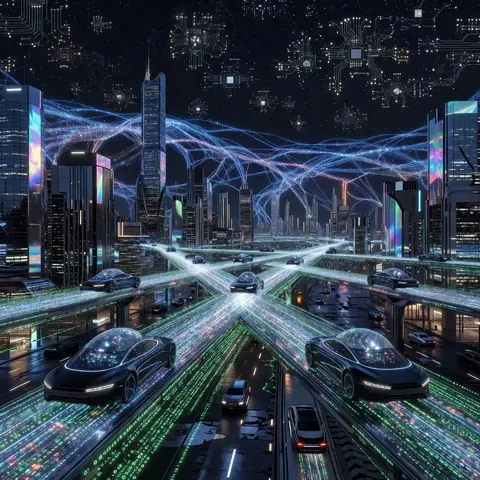
China has suspended new autonomous vehicle licenses following a chaotic incident involving Baidu's robotaxis in Wuhan. The move impacts companies looking to expand their driverless fleets.
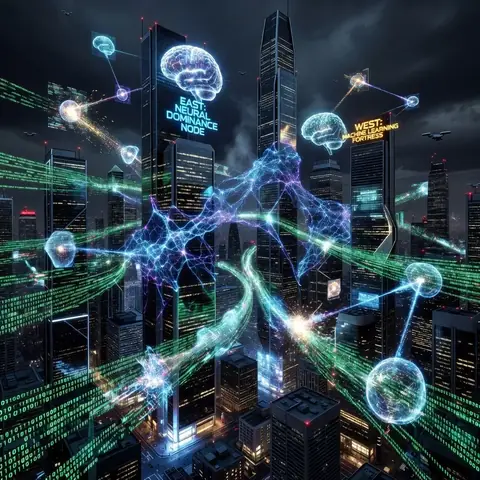
Chinese AI firms like DeepSeek, Qwen, and Moonshot are gaining ground with affordable, high-quality models. This poses a significant threat to U.S. tech giants and startups alike.
China has blocked Meta's $2 billion acquisition of AI startup Manus, citing national security concerns. The move highlights growing tensions between Western tech giants and Chinese regulatory oversight.

DeepSeek has previewed its new V4 model, claiming it rivals US systems like Anthropic and OpenAI. The focus on coding could reshape the AI landscape, especially in technical applications.
The US AI build-out relies heavily on Chinese electrical parts. This dependence raises concerns about supply chain security and geopolitical implications.