Google removes Earth AI feature after backlash over misinformation risks
Summarized by AI from reporting by TechCrunch AI, published under our editorial policy.
Google launched and then quickly removed an AI feature that let users generate fake images on Google Earth. Critics warned it could spread misinformation. The tool is now offline.
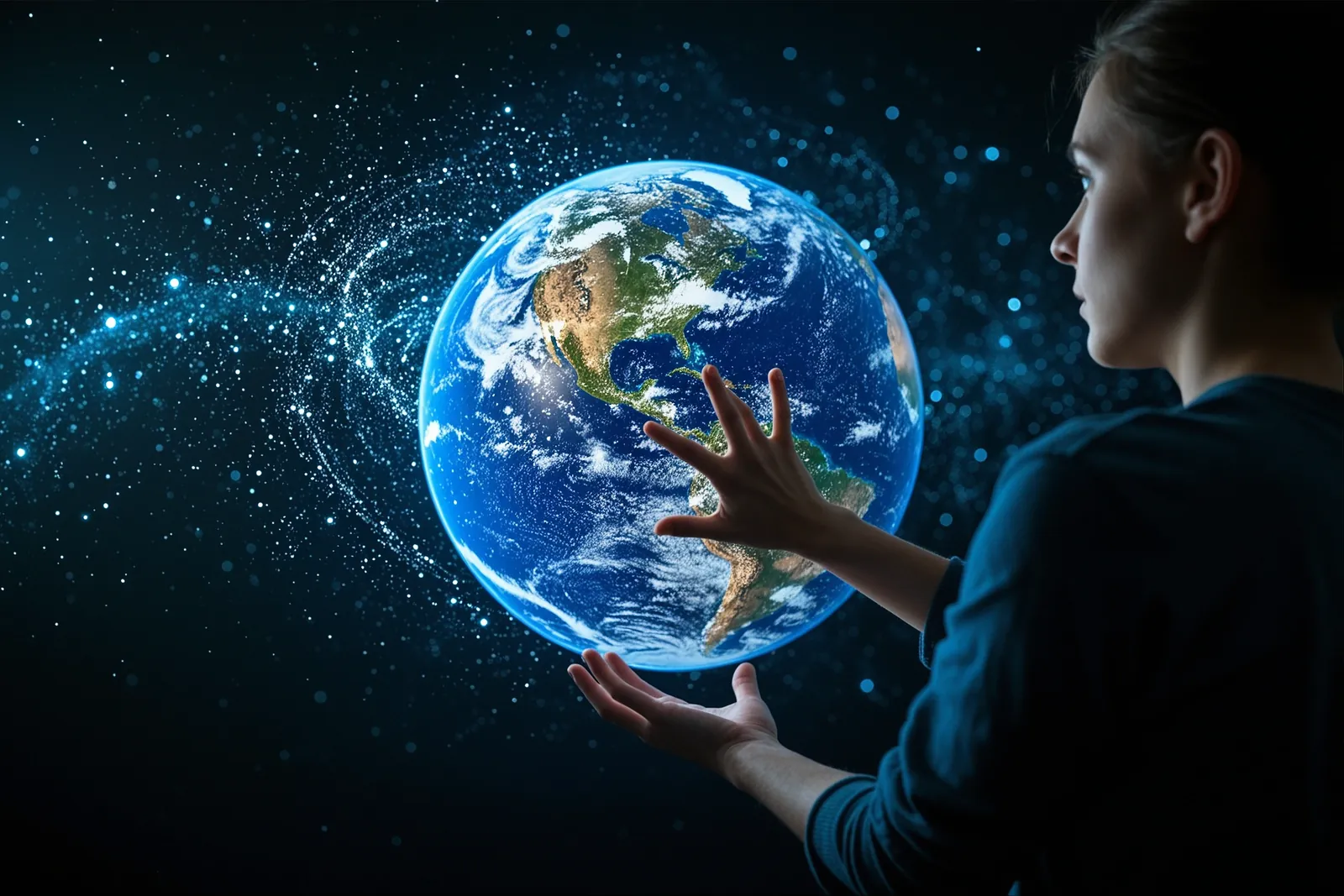
Key takeaways
- Google launched and then removed Earth AI, a tool that generated fake images for Google Earth, within 24 hours due to misinformation concerns.
- Critics warned that Earth AI could be used to create convincing fake news, such as fabricated disasters or political events.
- The incident highlights the ongoing challenges of balancing AI innovation with the risk of misinformation.
Google launched an AI feature called Earth AI, which allowed users to generate and superimpose AI-created imagery on real Google Earth maps. The tool was available for just one day before Google removed it, following widespread criticism that it could be used to spread misinformation.
What Earth AI actually did
Google's Earth AI feature used generative AI to create fake images that users could place on top of real-world locations in Google Earth. This meant anyone could, for example, generate an image of a flood or a fire and overlay it on a real map, making it appear as if the disaster was happening in that location. The tool was designed to be easy to use, requiring no technical skills.
Why Google pulled the plug
The backlash against Earth AI was swift and severe. Critics, including journalists, researchers, and even some Google employees, argued that the tool could be misused to create convincing fake news. For instance, someone could generate an image of a political rally or a natural disaster in a location where none existed, potentially causing panic or influencing public opinion. Within 24 hours of its launch, Google announced it was removing the feature.
The broader implications for AI tools
This incident highlights the ongoing challenges around AI-generated content and its potential for misuse. As AI tools become more powerful and accessible, the risk of misinformation grows. Google's quick reversal shows that even tech giants are grappling with how to balance innovation with responsibility. For everyday users, this serves as a reminder to be skeptical of AI-generated images and to verify information from multiple sources before believing or sharing it.
What you can do today
If you're concerned about AI-generated misinformation, you can start by being more critical of the images you see online. Tools like reverse image searches can help verify the authenticity of photos. You can also stay informed about the latest developments in AI by following reliable tech news sources. For example, you can visit TechCrunch AI to read more about the latest in AI technology and its implications.
Frequently asked
- Is Earth AI still available?
- No, Google removed Earth AI within a day of its launch due to widespread criticism.
- How can I verify if an image is real?
- You can use reverse image search tools and cross-check information with multiple reliable sources.
- What other AI tools have faced similar backlash?
- The source story does not mention specific other AI tools that have faced similar backlash.