Smallest.ai raises $13M to build ultra-fast, human-like voice AI
Summarized by AI from reporting by TechCrunch AI, published under our editorial policy.
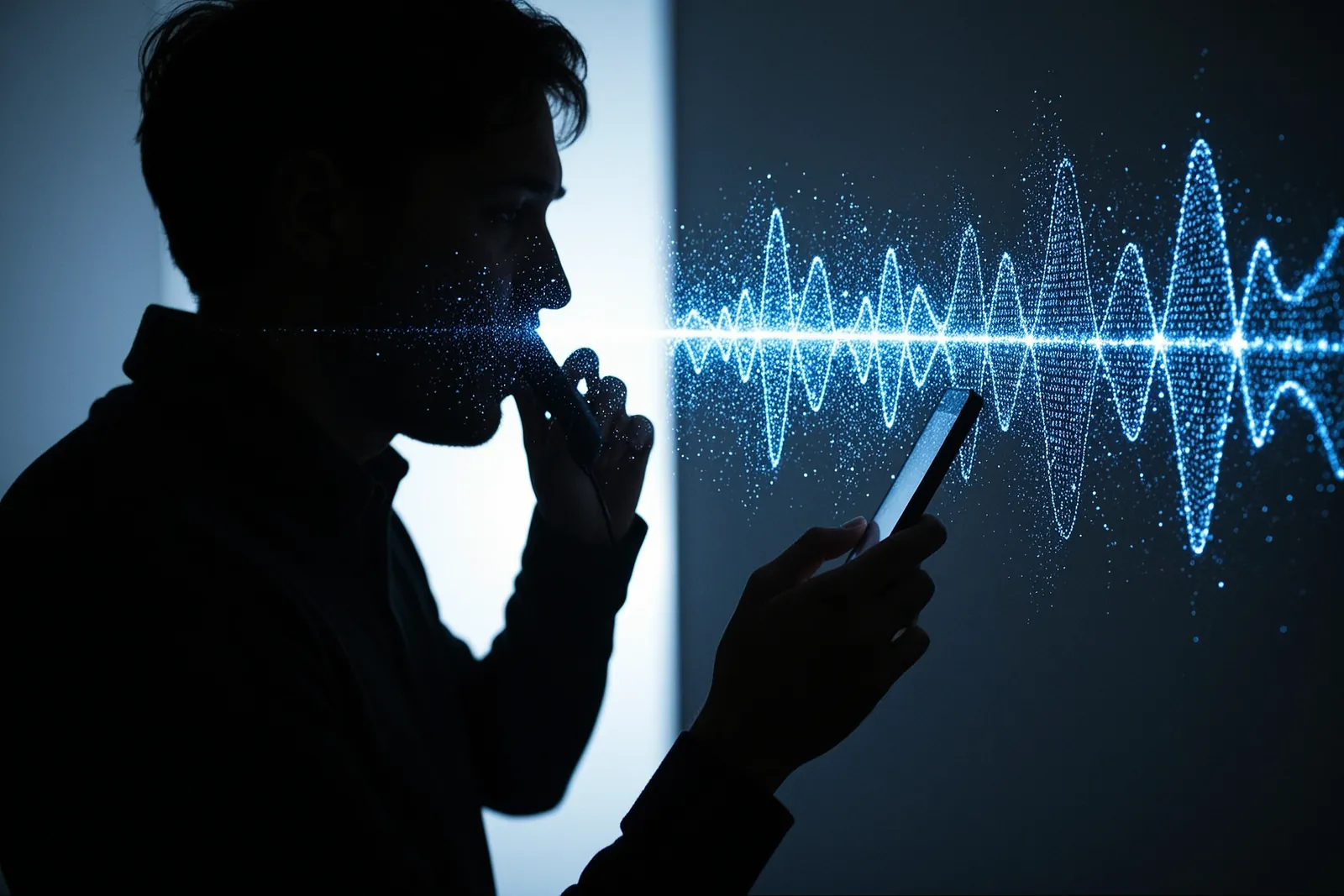
Smallest.ai has secured $13 million to develop voice AI that can pass the Turing test, making AI phone calls indistinguishable from human ones. This could revolutionize customer service and virtual assistants.
Key takeaways
- Smallest.ai has raised $13 million to develop voice AI that can pass the Turing test.
- The company's technology aims to make AI phone calls sound indistinguishable from human ones.
- Smallest.ai's voice models are trained on vast datasets to mimic human speech patterns and emotions.
Smallest.ai, a startup focused on voice AI, has raised $13 million to build ultra-fast voice models designed to make AI phone calls sound genuinely human. The company aims to create voice AI that can pass the Turing test, a benchmark for determining whether a machine can exhibit intelligent behavior equivalent to, or indistinguishable from, that of a human.
Smallest.ai's ultra-fast voice models
Smallest.ai is developing voice models that can generate human-like speech in real-time. The company's technology is designed to handle complex conversations, including those that require emotional nuance and context understanding. This is a significant step forward from current voice AI systems, which often sound robotic or struggle with natural conversation flow.
$13M funding round and technology details
The $13 million funding round was led by prominent venture capital firms, with participation from several angel investors. The company plans to use the funds to expand its research team and accelerate the development of its voice models. Smallest.ai's technology is built on advanced machine learning algorithms that can process and generate speech at speeds comparable to human conversation.
The company's voice models are trained on vast datasets of human conversations, allowing them to mimic not just the words but also the tone, pace, and emotional inflections of human speech. This makes the AI's voice almost indistinguishable from that of a real person, a feat that has previously been challenging to achieve.
Why it matters to everyday people
The implications of Smallest.ai's technology are vast. For everyday users, this could mean more natural interactions with virtual assistants, customer service bots, and even AI-powered phone calls. Imagine calling a customer service line and being unable to tell if you're speaking to a human or an AI. This level of realism could make interactions more efficient and less frustrating.
In the business world, companies could use this technology to handle customer inquiries more effectively, reducing wait times and improving customer satisfaction. For individuals, it could mean more personalized and context-aware virtual assistants that can understand and respond to complex queries with human-like accuracy.
What you can do today
While Smallest.ai's technology is still in development, you can stay updated by following their progress on their official website or social media channels. If you're interested in voice AI, you can also explore existing voice assistant technologies like Apple's Siri, Amazon's Alexa, or Google Assistant to see how current voice AI performs in real-world scenarios.
Frequently asked
- Is Smallest.ai's technology available for public use yet?
- No, the technology is still in development. You can follow their progress on their official website or social media channels.
- How does Smallest.ai's voice AI differ from current voice assistants like Siri or Alexa?
- Smallest.ai's technology is designed to handle complex conversations with emotional nuance and context understanding, making it more human-like than current voice assistants.
- What industries could benefit from Smallest.ai's voice AI?
- Industries like customer service, virtual assistants, and any sector requiring natural language interactions could benefit from this technology.