
ClickUp Replaces Hundreds of Employees with AI Agents
ClickUp is laying off hundreds of workers and replacing them with AI agents. This shift highlights how AI is transforming traditional jobs and workplaces.
1854 stories tagged AI · page 55 of 78
ClickUp is laying off hundreds of workers and replacing them with AI agents. This shift highlights how AI is transforming traditional jobs and workplaces.

AI tools are now identifying software flaws faster than developers can fix them. This shift is changing how companies approach cybersecurity. These tools can scan code for weaknesses in seconds, but fixing them still requires human time and effort.

Researchers have developed an AI system that can assist in formal proof search, making it easier to solve complex mathematical problems. This could significantly speed up mathematical research and discovery.

Researchers are developing AI systems that could automate entire scientific research processes, from literature review to final reports. This shift could make scientific discovery faster and more accessible, though challenges remain.

Researchers developed a new AI system to better identify language patterns linked to autism. This could help diagnose social language disorders more accurately in the future.
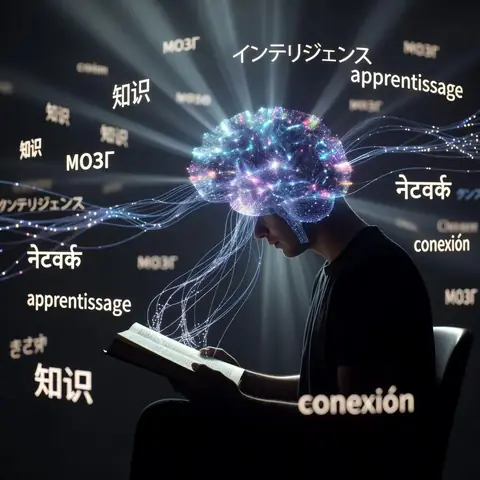
Researchers found that AI models align more closely with human brains when trained on the same language. This suggests language-specific training data shapes how AI understands us, not an inherent property of any language.

Virgin Atlantic used OpenAI's Codex to speed up their mobile app development, meeting a tight holiday deadline with no critical defects. This shows how AI can help teams work faster and more efficiently.

Spotify has released a new desktop app that lets users create personalized podcasts using AI. This move competes with Google’s NotebookLM and offers a fresh way for music and podcast lovers to engage with content.

Spotify is introducing AI-powered Q&A and briefing features for podcasts. This lets listeners get quick summaries and ask questions about their favorite shows. The tools aim to make podcasts more interactive and accessible, especially for busy users.

Physicists have developed hybrid particles that combine light and matter, potentially replacing electrons in AI chips. This breakthrough could make AI systems faster and more energy-efficient. The discovery was published in a recent study and has sparked excitement in the tech community.

Polyend has launched an AI-powered guitar pedal that lets musicians design their own effects. This could make professional-level sound design accessible to everyone, not just experts.

Some AI startups are inflating their Annual Recurring Revenue (ARR) to appear more successful, and investors often look the other way. This practice can mislead the public about a company's true financial health.

Google’s new AI model can generate ultra-realistic videos from text, images, or even doodles. This could revolutionize how we create and share visual content, but raises serious ethical questions.

Google is introducing voice commands in Gmail, Docs, and Keep, along with a new design tool called Google Pics. These updates aim to make everyday tasks faster and more intuitive. The AI Inbox is also getting smarter, helping you prioritize your emails more effectively.

Google's latest AI update has a quirk: typing 'disregard' now breaks the search interface. This accidental bug highlights how AI can have unexpected side effects. The company is working to fix it.
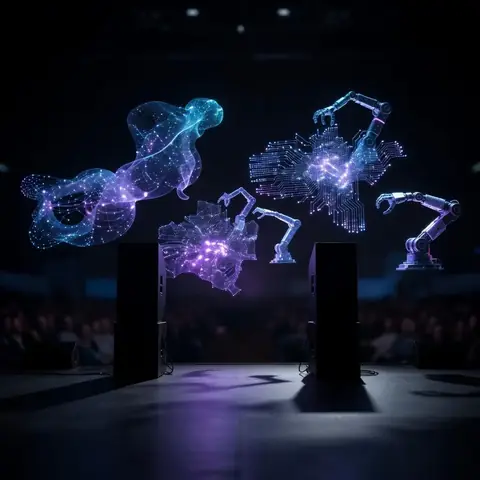
Google I/O 2026 featured insightful discussions on AI, quantum computing, robotics, and creativity. Leaders shared their visions for how these technologies will shape our future.

Google unveiled new AI features designed to make technology more helpful in daily life. These updates focus on accessibility, productivity, and personalized assistance.

Google Beam is using AI to enhance hybrid meetings by making remote participants appear life-sized and improving audio quality. This could make virtual meetings feel more inclusive and natural.

Google has introduced a new $100 AI Ultra plan with enhanced features. Existing Plus and Pro subscribers also get new benefits. The updates aim to make advanced AI tools more accessible to a broader audience.

Ferrari is using IBM's AI to create personalized fan experiences. This could make watching Formula 1 races more engaging for fans worldwide.

Elon Musk's Grok AI chatbot is facing significant challenges, with low usage and minimal adoption by the US government. This raises questions about its future and effectiveness in the competitive AI market.

A developer has spent months classifying 6,494 active AI engines into 13 domains and 69 subcategories. This is the first such taxonomy, and it's available in a live, auto-updating app.

DeepSeek is making its flagship AI model permanently 75% cheaper. This move could make powerful AI tools more accessible to small businesses and individual creators.

Amazon's new Bee wearable uses AI to anticipate needs, but its constant listening raises privacy concerns. The device offers hands-free convenience but at the cost of personal data.